

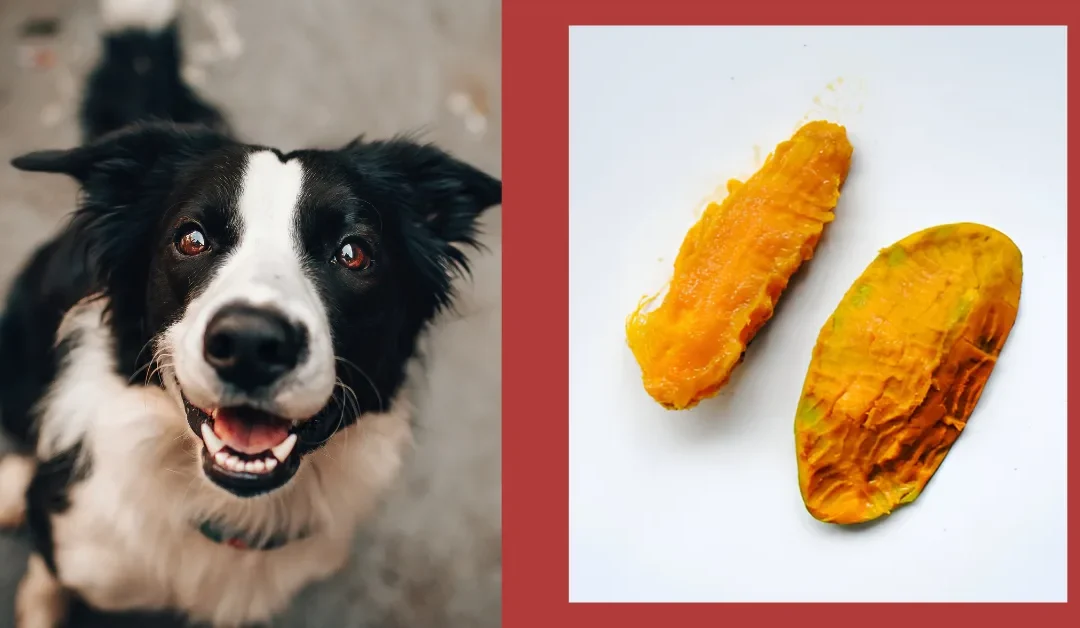
Mangoes are a delicious and nutritious fruit enjoyed by many, but as a dog owner, you may wonder whether your furry friend can safely eat mango seeds. While mango flesh is generally safe for dogs in moderation, the seed (or pit) can pose serious health risks.
Understanding these dangers can help you make informed decisions about feeding mangoes to your pet.
Are Mango Seeds Safe for Dogs?
The short answer is no—dogs should not eat mango seeds. Mango seeds are large, hard, and pose several potential hazards to dogs, including choking, intestinal blockage, and toxicity concerns.
The Dangers of Mango Seeds for Dogs
1. Choking Hazard
Mango seeds are quite large and hard, making them a significant choking risk, especially for small to medium-sized dogs. If a dog attempts to swallow the seed whole or chew on it, it could become lodged in their throat, leading to a life-threatening emergency.
Even if a dog manages to chew the seed into smaller pieces, sharp fragments could still cause injuries in their mouth or esophagus.
2. Risk of Intestinal Blockage
Even if a dog swallows a mango seed without immediate choking, it can still lead to an intestinal blockage. The digestive system cannot easily break down the tough, fibrous texture of the seed, causing it to become stuck in the stomach or intestines.
This can result in serious health complications requiring surgical intervention. Symptoms of an intestinal blockage in dogs include vomiting, diarrhea, loss of appetite, abdominal pain, and lethargy.
If you suspect your dog has swallowed a mango seed and is showing these symptoms, seek veterinary care immediately.
3. Cyanide Content and Toxicity Concerns
Like many fruit seeds, mango seeds contain small amounts of cyanogenic compounds, which can release cyanide when consumed. While a single seed may not contain enough cyanide to cause toxicity in larger dogs, repeated exposure or ingestion of multiple seeds can be harmful.
Cyanide poisoning in dogs can lead to symptoms such as difficulty breathing, excessive drooling, dilated pupils, and even seizures in severe cases.
4. Digestive Discomfort
Even if a mango seed does not cause a complete blockage, it can still irritate the digestive tract, leading to discomfort, bloating, or an upset stomach. Dogs with sensitive digestive systems may experience vomiting or diarrhea if they consume parts of a mango seed.
What to Do If Your Dog Eats a Mango Seed
If you suspect that your dog has swallowed a mango seed, monitor them closely for any signs of distress. If they begin choking, have difficulty breathing, or show signs of a blockage (such as vomiting, restlessness, or lethargy), contact a veterinarian immediately.
In some cases, your vet may recommend X-rays or surgery to remove the seed safely.
Safe Ways to Give Mango to Dogs
While mango seeds are unsafe for dogs, mango flesh can be a tasty and healthy treat when given in moderation. Here’s how to safely serve mango to your dog:
- Remove the Seed: Always cut the mango into bite-sized pieces and discard the seed before offering it to your dog.
- Peel the Skin (Optional): While mango skin is not toxic, some dogs may have difficulty digesting it, leading to an upset stomach.
- Feed in Moderation: Mango is high in natural sugars, so it should only be given as an occasional treat to prevent weight gain and digestive issues.
- Frozen Mango Treats: You can freeze mango chunks for a refreshing summer snack, but always ensure they are small enough to prevent choking.
Conclusion
Mango seeds are unsafe for dogs due to their choking hazard, risk of intestinal blockage, and potential toxicity. While the flesh of a mango can be a nutritious treat, it’s crucial to remove the seed and feed mango to your dog in moderation.
If your dog accidentally swallows a mango seed, monitor them closely and seek veterinary help if any concerning symptoms develop. Always prioritize your pet’s safety by providing dog-friendly fruits and avoiding any parts of the fruit that could be harmful.
You May Also Like

Can Dogs Eat Mango Yogurt? A Guide to Safe and Healthy Snacking

Can Dogs Eat Mango Popsicles? A Guide to Safe and Healthy Treats

Can Dogs Eat Mango Peel? Safety, Risks, and Best Practices

Can Dogs Eat Mango Ice Cream? Risks, Benefits, and Safe Alternatives

Can Dogs Eat Mango Slices? A Complete Guide to Safety & Benefits

Can Dogs Eat Mango Skin? Safety, Benefits, and Risks Explained

Can Dogs Eat Mango Pits? Risks, Dangers, and Safe Alternatives